2026-09-11
Alar Rim Lowering at Sinsa Plastic Surgery: Pre-Op Criteria for Dragon Nose and Upturned Nose
Understand whether your nostril show is caused by retracted alar rims (dragon nose) or a structurally short nose to determine the right surgical approach for alar rim lowering.

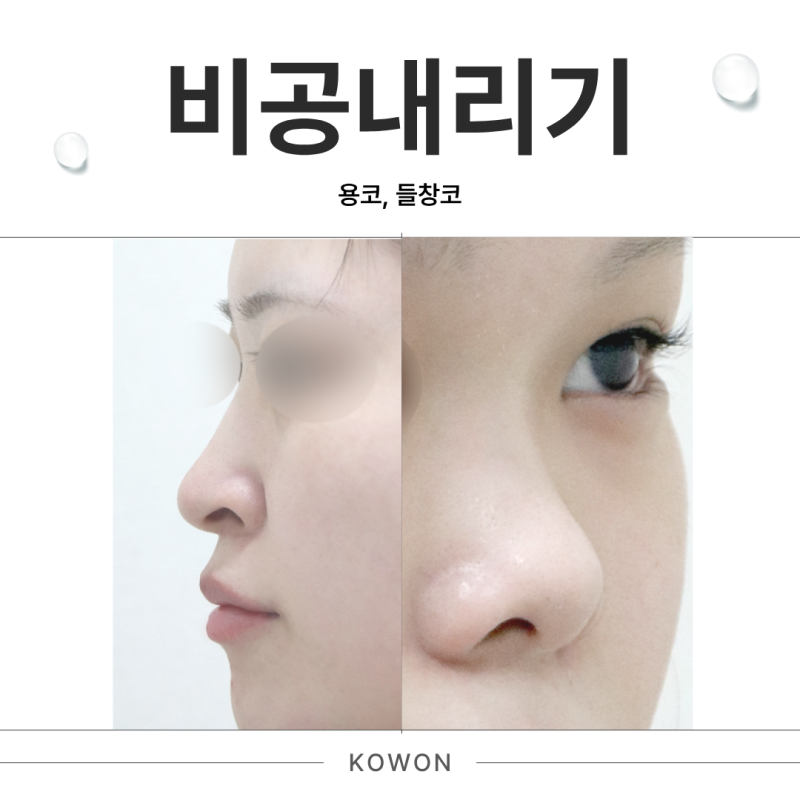
"Doctor, my nostrils are very visible from the front. Will alar rim lowering make my nose look less upturned?"
Many patients are concerned whenever they take photos because their nostrils appear too prominent, wondering if they have a "dragon nose" (notched alar rims) or a short, upturned nose.
People often get confused about whether they need to lower the tip or actually lengthen the nose itself.
Even if the appearance looks similar from the outside, the underlying causes are entirely different.
In some cases, the length of the nose is sufficient, but the cartilage around the nostrils is retracted upward. In other cases, the nose itself is genuinely short.
If you are considering alar rim lowering, understanding this difference is the first step.
Table of Contents |
1. Visible nostrils do not necessarily mean the nose is short |
2. How can you tell which type your nose is? |
3. Choosing between redirecting cartilage or lengthening the nasal framework |
Visible nostrils do not necessarily mean the nose is short
It is easy to assume: "If my nostrils show a lot, doesn't that mean my nose is short?"
However, that is not always the case.
Even if the nasal length is adequate, if the alar cartilage framing the nostrils is pulled upward or superolaterally, the nostrils can become more exposed from the front and profile views.
When the columella sits relatively low while both alar rims are retracted upward, it creates the appearance often referred to as a "dragon nose."
In this situation, rather than lengthening the entire nose, we first examine which cartilage is retracted and in which direction.
This allows us to design a surgical plan focused on repositioning the cartilage based on the location and condition of the retracted area.
Conversely, if the nasal structure itself is short and the tip points upward (an upturned nose), the surgical approach is completely different.
In such cases, the skin and soft tissues are often contracted to a shorter length as well, meaning merely altering the alar rim position will not place the tip in the desired position.
How can you tell which type your nose is?
Looking in the mirror, it is difficult to judge on your own whether nostril visibility is simply due to a short nose.
Even if noses appear similarly upturned, in reality, many cases involve raised lateral alar rims rather than a lack of nasal length.
If you are researching plastic surgery clinics near Sinsa Station,
instead of simply asking "How much can you lower my nostrils?", it is far more important to analyze which specific anatomical structures are retracted.
During a clinical consultation, we evaluate not only the frontal view but also the profile to assess the following factors:
• Whether the overall nasal length appears short |
• Whether the nasal tip is rotated upward |
• Whether only the alar rims are uniquely retracted upward |
• Whether the relationship between the columella and the alar rims is well-balanced |
• Whether the skin has excessive tension when attempting to pull the tip downward |
• Whether previous surgeries have affected the availability of usable donor cartilage |
From a patient's standpoint, excessive nostril show may seem like a single, uniform concern.
However, over more than 20 years of focusing on nasal aesthetics and reconstruction, I have found that even when an upturned nose and a dragon nose look alike on the surface, the anatomical areas that require correction are entirely different.
Therefore, rather than categorizing your nose by descriptive labels, determining whether the nose itself is inherently short or if the alar rims are retracted is key to directing an effective alar rim lowering procedure.
Choosing between redirecting cartilage or lengthening the nasal framework
You might wonder: "If the nostrils are visible, can't we just bring them down?"
Alar rim lowering techniques vary depending on why the nostrils appear exposed in the first place.
Current Presentation | Surgical Approach |
Adequate nasal length, but both alar rims are retracted | Adjust the position and orientation of the retracted cartilage |
Short nasal framework with an upturned tip | Extend the tip and build internal structural support |
If the nose is genuinely short, structural techniques such as a septal extension graft should be considered to create a stable foundation for lowering the tip.
This goes beyond simply pushing the tip downward; it involves building an internal framework that stably supports the newly repositioned tip.
The choice of cartilage is also never predetermined without an evaluation.
We examine how much extension is needed, how much structural support is required, and how much viable cartilage remains in the patient's nose.
If the septal cartilage alone is insufficient, ear cartilage or costal (rib) cartilage can be considered in combination.
Ultimately, before deciding which cartilage to harvest, the primary step is distinguishing whether only the alar rims need lowering or if the overall nasal length must be extended.
Q. Does alar rim lowering always make the nose look longer?
If one nostril rim is more retracted, causing nostril asymmetry, alar rim lowering can correct this imbalance. However, nostrils can also appear asymmetrical if the tip or columella is deviated to one side. Therefore, instead of lowering both sides symmetrically right away, we analyze the exact source of asymmetry before determining the extent of correction.
If nostril exposure is the first thing you notice in photos, it is natural to feel self-conscious about smiling or facing the camera straight on.
While researching terms like dragon nose or upturned nose, it is easy to rush into wanting a change.
However, rather than fitting your nose into a label, it is vital to first understand the anatomical cause.
Clearly distinguishing whether the nose is structurally short or whether the surrounding alar cartilage is retracted will provide clarity on the correct approach for alar rim lowering.

Dr. Hyung-taek Kim, Head Clinic Director, Kowon Plastic Surgery |
Finding the Nose That Best Complements Your Face |


Frequently Asked Questions
Does excessive nostril visibility always mean I have a short, upturned nose?
No, nostril visibility can occur even when the nose has adequate length. While nasal length may be normal, the alar cartilage can be oriented upward or laterally, exposing the nostrils in what is commonly called a dragon nose. Because this requires a different surgical technique than a short upturned nose, the cartilage orientation and nasal length must be evaluated first.
How is a nose corrected when only the alar rims are retracted?
Instead of lengthening the entire nose, the position and orientation of the retracted cartilage are adjusted. When the overall nasal length is sufficient, performing alar rim lowering to reorient the elevated alar cartilage reduces nostril show without excessively lengthening the nose.
Can a short, upturned nose be corrected solely with alar rim lowering?
No, simply adjusting the alar rim position is usually insufficient for satisfactory results. When the nose itself is short and the tip is rotated upward, the surrounding skin and soft tissue envelope are also contracted. Structural rhinoplasty techniques, such as a septal extension graft, are required to securely support and reposition the nasal tip.
Can asymmetric nostrils be corrected with alar rim lowering?
Yes, customized correction is possible once the root cause of the asymmetry is identified. We assess whether one alar rim is more retracted or if a deviated columella or tip makes the nostrils appear uneven, then adjust the cartilage accordingly to restore bilateral balance.
What types of cartilage are used to lengthen an upturned nose?
The choice of cartilage depends on the degree of extension required, structural support needs, and the remaining donor cartilage available. Septal cartilage is primarily used; however, if there is insufficient cartilage or if stronger structural support is needed, ear cartilage or costal (rib) cartilage may be used in combination.