2026-11-09
Upturned Nose Surgery for Natural Dimension: Kowon Plastic Surgery's Approach to Patient Satisfaction
Dr. Kim Hyung-taek of Kowon Plastic Surgery explains how tip repositioning, cartilage support, and forehead fat grafting create a natural, dimensional upturned nose correction.

Hello, this is Dr. Kim Hyung-taek of Kowon Plastic Surgery.
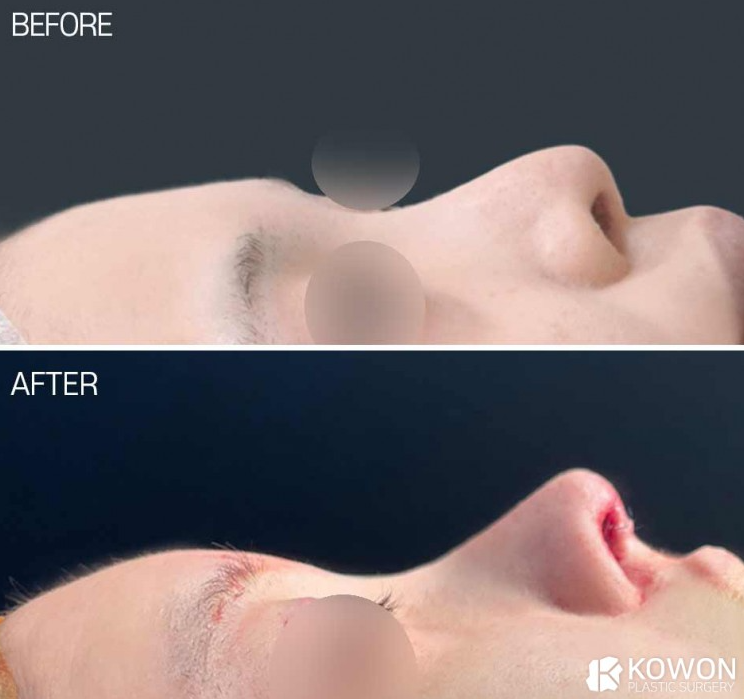
The patient I'd like to discuss today had an upturned nose, where the tip lifts and the nostrils are somewhat exposed, while the tip also droops downward and makes the nose look long. Because these features overlapped, the face looked somewhat awkward and unbalanced from both the front and the side.
On top of that, the forehead was flat and sloped slightly backward, so the line running from the forehead through the glabella to the nasal bridge was not smooth, and the overall face lacked dimension.
In cases like this, rather than correcting the tip alone, it is important to balance the whole face by looking at the direction and overall length of the tip as well as the line extending from the forehead.
Among patients who want a polished yet natural-looking jaryeo (understated) nose, many find that if the face is thin and flat with little volume, even a beautifully shaped nose can look out of place and awkward after surgery. The more understated the nose style, the more the forehead volume and nasolabial line need to contribute to overall dimension so the nose blends in naturally.
This is exactly why copying a celebrity's nose directly onto an ordinary person's face so often looks awkward and unnatural.
Before-and-after side views of a nose at Kowon Plastic Surgery; the after photo was taken shortly after surgery.
In this surgery, we used tip cartilage repositioning and tip cartilage suturing to stably lower the upturned direction. We also placed a firm strut between the tip cartilages to build solid structural strength so the tip would not droop again later.
Through this, we fine-tuned the result so that nostril exposure was naturally reduced and the overall impression became noticeably more appealing.
We also performed columella correction and nasolabial angle correction together, refining the contour so that the line running from the nasal bridge through the tip down to the philtrum flows smoothly. We paid close attention to achieving a softer, more refined look from the side profile.
Forehead fat grafting was performed alongside, filling in the somewhat lacking forehead volume. As a result, a natural height was achieved without over-raising the nasal bridge, and the understated nose design blended in seamlessly, making the nose look as if it were the patient's own.
Rather than simply changing the shape of the nose, the goal was to enhance the overall facial contour and dimension.
Today's rhinoplasty trends are not about simply raising the nose as high as possible or emphasizing it artificially. The key is to create a subtle, understated line with refined details while preserving the natural essence of the face.
Still, most people have probably wondered at least once whether such an understated nose would actually suit their own face once applied.
This patient, too, underwent a successful procedure in which we carefully balanced the overall facial proportions so that the charm of a soft, refined, understated nose could be fully expressed without appearing excessive.
[Related Case]
The patient in this case had an upturned nose with a short, lifted tip, such that the nostrils were fairly visible from the front. In addition, the overall nasal bridge was low, giving the face a flat and plain impression.
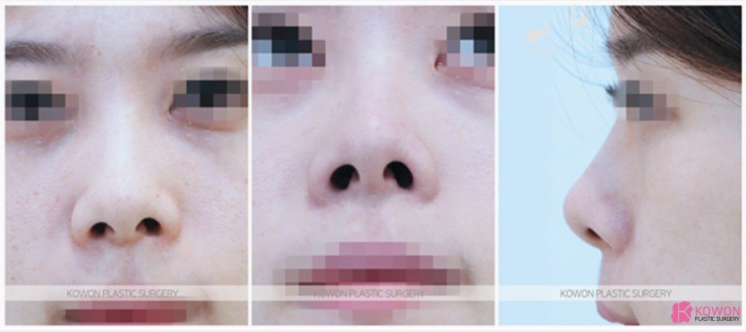
Front, base and side views of a woman's nose, showing the nostrils and tip shape, from Kowon Plastic Surgery.
To address these concerns, our clinic conducted a detailed analysis and developed a customized surgical plan.
First, we carefully reinforced the low nasal bridge and nasal tip using appropriate implants and autologous cartilage, clearly enhancing the overall dimension.
At the same time, we slimmed and harmonized the width of the wide alar wings, which, when viewed from the front, can scatter attention or make the overall impression look heavy.
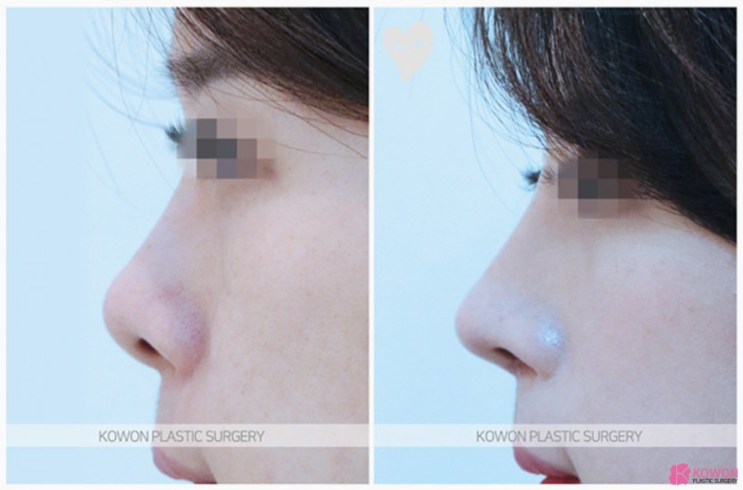
Two side-profile photos of a woman's nose placed side by side for comparison, from Kowon Plastic Surgery.
As a result, the excessively upturned tip direction and short length were stably corrected, and nostril exposure was naturally reduced whether viewed from the front or the side. The line from the once-flat nasal bridge to the tip gained dimension, transforming the overall facial impression into a more refined and harmonious look.
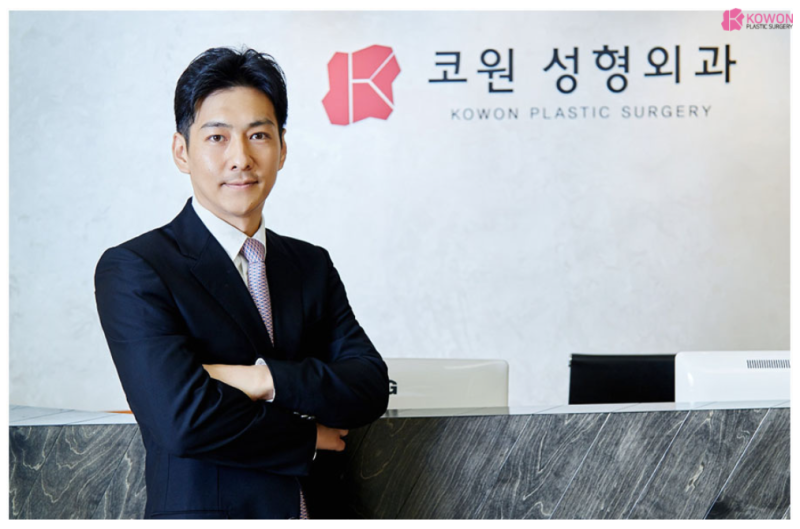
[A Word from Dr. Kim]
Whether it's an upturned nose or a flat nasal bridge, everyone comes in with different concerns. What matters, however, is not surgery that simply raises the nose, but finding harmony with the overall proportions of your face.
Drawing on extensive clinical experience and expertise, I personally handle everything from careful consultation to precise surgery, creating a line that blends in naturally and feels like 'your own real nose,' without standing out.
If you are looking for a detailed upturned nose surgery result that best suits your face, please feel free to visit Kowon Plastic Surgery at any time. I will continue to repay your trust with honest and safe care as Dr. Kim Hyung-taek of Kowon Plastic Surgery.
Frequently Asked Questions
Is upturned nose surgery performed only on the tip?
No. The article explains that rather than correcting only the tip, it is important to balance the whole face by considering the direction and overall length of the tip as well as the line extending from the forehead.
What is the role of the tip support in upturned nose surgery?
The support placed between the tip cartilages provides structural strength so the tip does not droop again later. In this case, the article explains that after lowering the upturned direction through tip cartilage repositioning and suturing, this support was placed. However, the same results are not guaranteed in every case.
Is a jaryeo-style nose related to facial volume?
Yes, they are closely related. According to the article, if the face is thin and flat with little volume, even a well-shaped nose may look out of place after surgery, and the forehead volume and nasolabial line need to contribute to overall dimension for a natural blend.
Why is forehead fat grafting performed together with the procedure?
It is done to fill in lacking forehead volume so that a natural nasal height can be achieved without over-raising the nasal bridge. According to the article, this process allowed the understated nose design to blend seamlessly with the face, as if it were the patient's own nose.
How is a low nasal bridge reinforced?
In the low-bridge case introduced in the article, the nasal bridge was carefully reinforced using appropriate implants and autologous cartilage. The article also explains that the wide alar width, which can make the face look heavy from the front, was slimmed and refined.