2026-09-19
Small Nose Rhinoplasty: Naturally Refining Short and Rounded Nasal Tips at Kowon Plastic Surgery
Dr. Kim Hyung-taek of Kowon Plastic Surgery shares small nose rhinoplasty cases, explaining how adjusting tip projection, bridge height, and alar width creates natural balance.
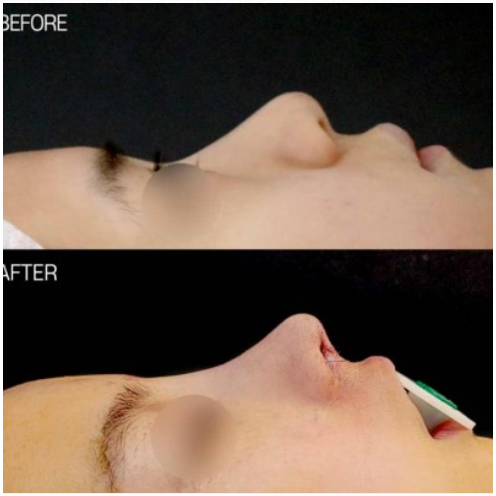

Hello, this is Dr. Kim Hyung-taek from Kowon Plastic Surgery.
In this case, the patient had an overall low nasal bridge and tip, with a petite nose size that gave off a cute and youthful impression.
However, because the nose situated at the center of the face lacked sufficient height and three-dimensional definition, the overall facial appearance looked somewhat flat.
When consulting for rhinoplasty these days, rather than simply raising the nose as high as possible as was common in the past, many patients prefer a "naturally refined" look that enhances natural harmony while meticulously perfecting the details.
I also tend to evaluate how much presence the nose should command within the entire face rather than solely elevating the nasal bridge height. It is essential to create a structure and contour that balance well with overall facial proportions without looking overdone.
After comprehensively evaluating these aspects, the nasal bridge was elevated to a suitable height that blends seamlessly with the overall facial balance, while the nasal tip was stably shaped using tip cartilage repositioning and tip cartilage suturing (binding).
Additionally, a supportive strut was placed between the tip cartilages to maintain the projection and direction of the nasal tip.
"While preserving the cute and youthful charm of the petite nose, the primary focus was on adjusting the height and tip details together so that the nose does not look lost within the face."
Furthermore, the transition from the columella and nasolabial angle down to the philtrum was carefully considered, ensuring a smooth, natural flow from the tip of the nose to the mouth area.
As shown, rhinoplasty for small noses is not merely about altering size or height; it is crucial to examine the transitions and balance connected to the entire face.
Consequently, this case demonstrates how a small nose rhinoplasty can preserve an originally youthful, charming vibe while adding three-dimensional depth, resulting in a cleaner, more sophisticated, and naturally feminine aesthetic.
Related Case Study
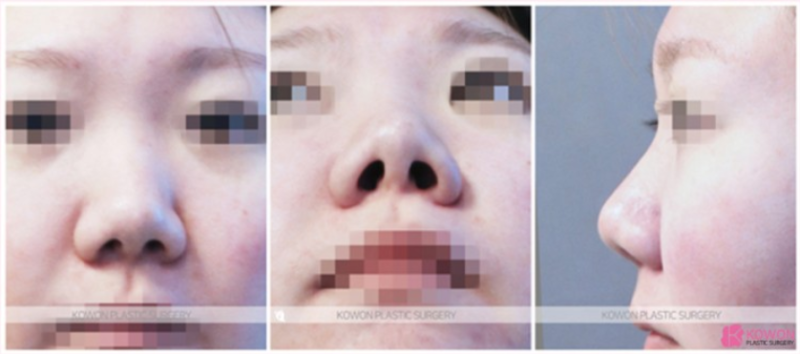
Another relevant case worth reviewing involves a short nose with a bulbous tip and widely flared alar bases.
In particular, when viewed from the front, the nasal tip tilted to one side, creating noticeable asymmetry. Simply raising the bridge would not have been enough to achieve overall facial balance. Taking these factors into account, we adjusted both the nasal tip shape and the alar width during the small nose rhinoplasty.
During surgery, the short nasal tip was naturally extended, and the rounded, bulbous tip was redefined into a sleeker form. Lateral alar reduction was also performed, and a silicone implant was applied to the low nasal bridge to create height proportional to the face.
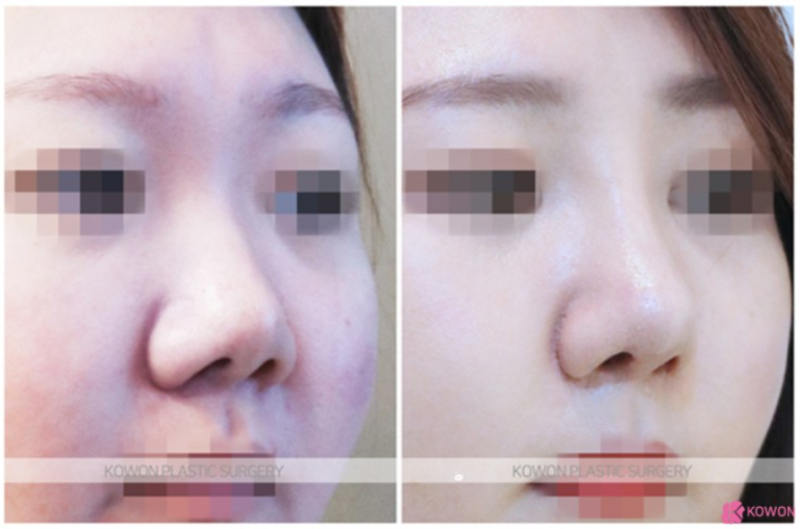
Following surgery, the previously short and rounded nasal tip appeared longer and more refined, while the flared alar bases and tip asymmetry were noticeably improved.
By adding structural definition without creating an unnatural, over-elevated look, this case transitioned gracefully from a merely cute impression to a more feminine, mature, and sophisticated profile.
At Kowon Plastic Surgery, the surgical plan was tailored to harmonize with overall facial proportions by evaluating the nasal length, tip shape, and nostril width in unison.
A Word from the Surgeon
Refining a short nose cannot be achieved simply by lengthening the nasal tip.
One must take into account the tip direction, asymmetry, alar width, and bridge height together to build a nose that harmonizes naturally with the entire face.
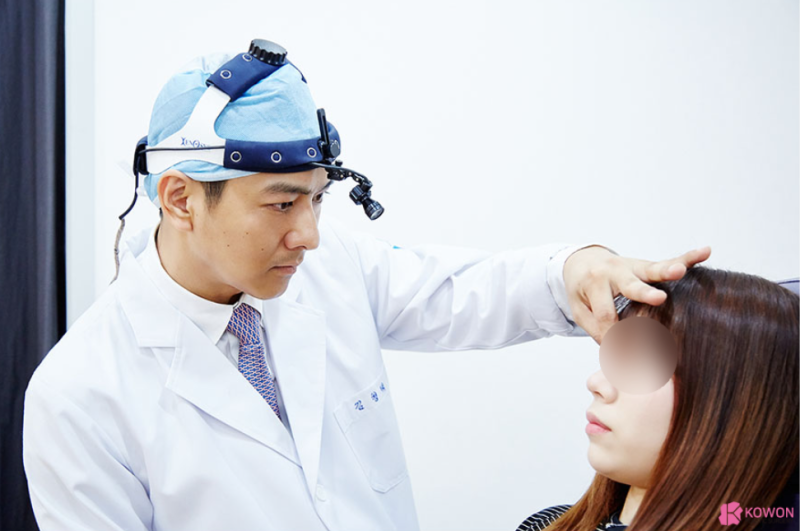
In short or upturned nose surgery, it is essential to look closely at both the structural foundation and overall facial balance rather than focusing solely on lengthening the tip.
In this case as well, the goal was to appropriately elongate the short, rounded tip while addressing alar flaring and asymmetry, thereby transforming a simple cute look into a feminine and defined appearance.
When performing rhinoplasty, rather than applying a fixed standard, I make it a priority to closely examine each patient's nasal anatomy, facial proportions, and desired aesthetic before deciding on the surgical direction.
At Kowon Plastic Surgery, we place great value on meticulous design and careful procedural planning to deliver results that achieve effortless harmony.

Frequently Asked Questions
How is the nasal tip refined in small nose rhinoplasty?
It is corrected using tip cartilage repositioning and cartilage suturing. A supportive strut is placed between the tip cartilages to maintain stable projection and direction, while taking into account the columella, nasolabial angle, and philtrum line to create natural three-dimensional definition.
Can a short, upturned nose be corrected simply by lengthening it?
No, simple extension of the tip is not enough to achieve balance. Tip direction, asymmetry, nostril width, and bridge height must all be evaluated alongside facial proportions to ensure a natural outcome.
Can a small nose with flared nostrils and asymmetry also be improved?
Yes, this can be improved by combining alar base reduction with tip correction. Flared nostrils are refined via lateral alar reduction, while asymmetric deviation and a short length are realigned into a balanced, centered shape.
What approach is used to elevate a flat nasal bridge?
A silicone implant is shaped and placed to match individual facial proportions. Rather than excessively raising the bridge, it is elevated to an optimal height that complements the entire face for natural definition.