2026-10-30
Short Nose Rhinoplasty: Kowon Plastic Surgery's Precise Approach from Nasal Bridge Height to Tip Support
Kowon Plastic Surgery shares a short-nose rhinoplasty case that raised the nasal bridge, stabilized the tip with firm support, and refined asymmetry and alar width.

Hello, this is Director Kim Hyung-taek of Kowon Plastic Surgery Clinic.
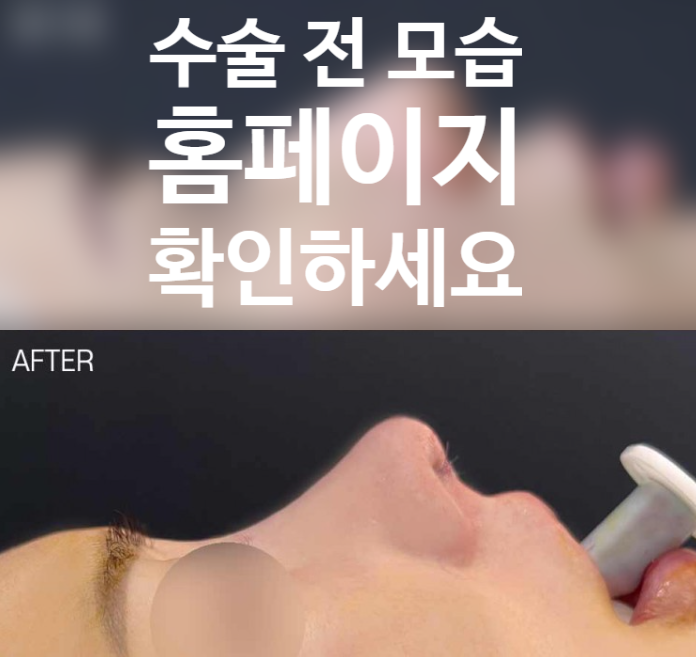
In today's case, the nasal bridge was low overall and the nose looked small in volume. The tip also appeared short and lacked definition, so the face as a whole looked flat and lacking in dimension.
When a face lacks dimension like this, the key to short-nose rhinoplasty is to first reinforce the structure that supports the tip, rather than simply raising the line.
Taking the overall proportions of the face into account, we naturally raised the height of the nasal bridge while carefully refining the line of the short-looking tip.
"Rather than just raising the bridge, building a sturdy tip support is the key to a higher overall level of finish."
We gathered and sutured the tip cartilages to define their contour, then placed firm support between the cartilages so that a stable shape and height can be maintained over the long term.
We also carefully adjusted the line running from the nasal bridge to the tip so that it flows naturally without looking awkward.
"Refining the angle formed by the columella and the nasolabial angle, together with the philtrum line, makes the entire midface look noticeably more refined."
By balancing the proportions of the philtrum and the nasolabial angle, the effects of short-nose rhinoplasty were maximized, resulting in a clean, improved look with more dimension and a neat impression.
[Related Case]
This time, we would like to share the case of a patient who was distressed because the alar wings were spread wide and the tip looked slightly upturned.
The skin was relatively thick, and the tip was asymmetrical, so the asymmetry was also noticeable.
For a type like this, with thick skin and a short tip, it is especially important to plan a short-nose rhinoplasty that carefully balances the overall proportions rather than simply reducing the shape.

In this case, Kowon Plastic Surgery re-centered the tip, which had been shifted to one side, and used silicone sized to the facial proportions to add natural dimension to the nasal bridge.
At the same time, we carefully refined the alar wings that had been spread wide, creating a slim and smooth overall contour.
Incisions that could raise concerns about scarring were carefully placed to blend naturally with the existing alar crease, keeping them inconspicuous from the outside.
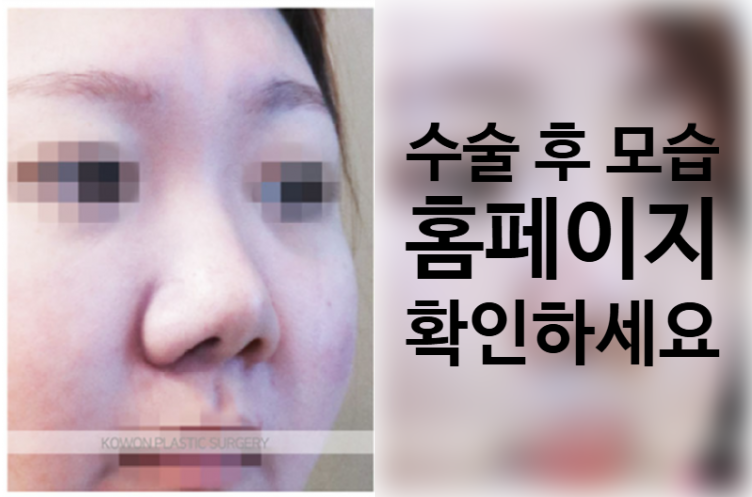
As a result, the conspicuous asymmetry and the upturned look were neatly corrected, and a clean, understated line was achieved.
When short-nose rhinoplasty is tailored to each individual by carefully analyzing skin thickness and asymmetry, it can achieve a softer, more refined impression while reducing the burden of scarring.
[A Word from the Director]
"By carefully analyzing each person's skin thickness and asymmetry and building a sturdy tip support first, we achieve results that look natural and last over the long term."

Short-nose rhinoplasty is not simply about lengthening the nose. To achieve satisfying results, it requires a comprehensive review of the tip's internal structure, the proportions of the alar wings, and the overall dimension of the face.
Drawing on extensive clinical experience and precise one-on-one diagnosis, Kowon Plastic Surgery Clinic works to minimize scarring concerns and create a refined profile that best complements each person's natural features.

Frequently Asked Questions
Does short-nose rhinoplasty only require raising the nasal bridge?
No. The post explains that rather than only raising the bridge, building a tip support alongside it is the key to a more complete result. It describes gathering and suturing the tip cartilages to define their contour, then placing support between the cartilages to help maintain a stable shape and height over time.
How is the tip support built?
According to the post, the tip cartilages are gathered and sutured to define their contour, and firm support is then placed between the cartilages. The post notes that this helps the shape and height of the tip remain stable over the long term.
Can short-nose rhinoplasty be done on a nose with asymmetry?
The case in the post shows that even when asymmetry was present, balance was achieved through short-nose rhinoplasty. The post explains that carefully analyzing skin thickness and asymmetry to apply a personalized correction is important.
Are the incision scars visible after short-nose rhinoplasty?
The case in the post describes performing the incisions so they align naturally with the alar crease, keeping them inconspicuous from the outside. However, the post does not specifically mention the extent of scarring or the recovery period.
Are the philtrum and nasolabial angle also refined?
The case in the post describes refining the angle formed by the columella and the nasolabial angle along with the philtrum line to enhance the finish of the midface. The post explains that balancing the proportions of the philtrum and nasolabial angle is a factor in enhancing the effects of short-nose rhinoplasty.